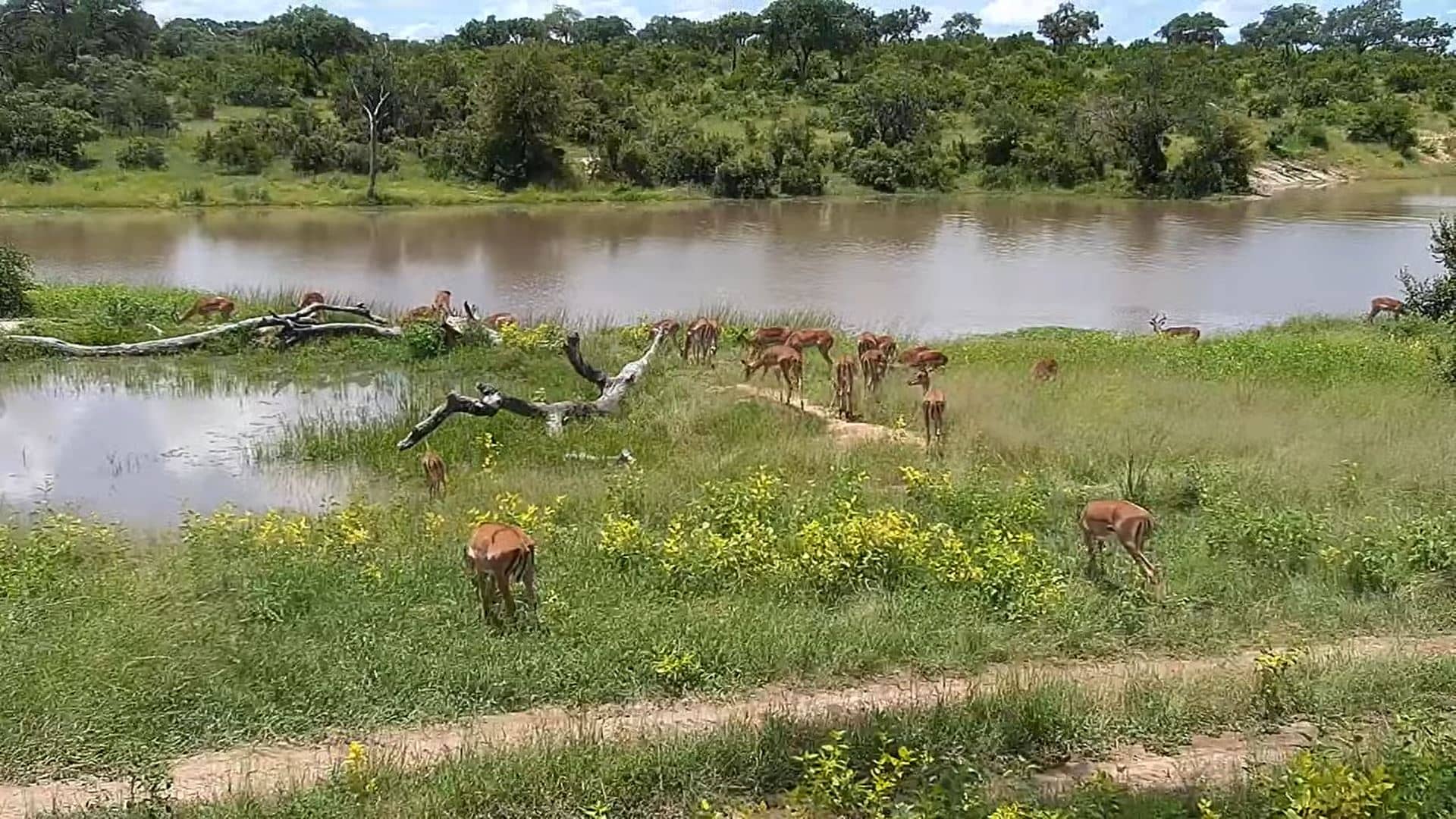
Djuma
Limpopo, South Africa — 263 km
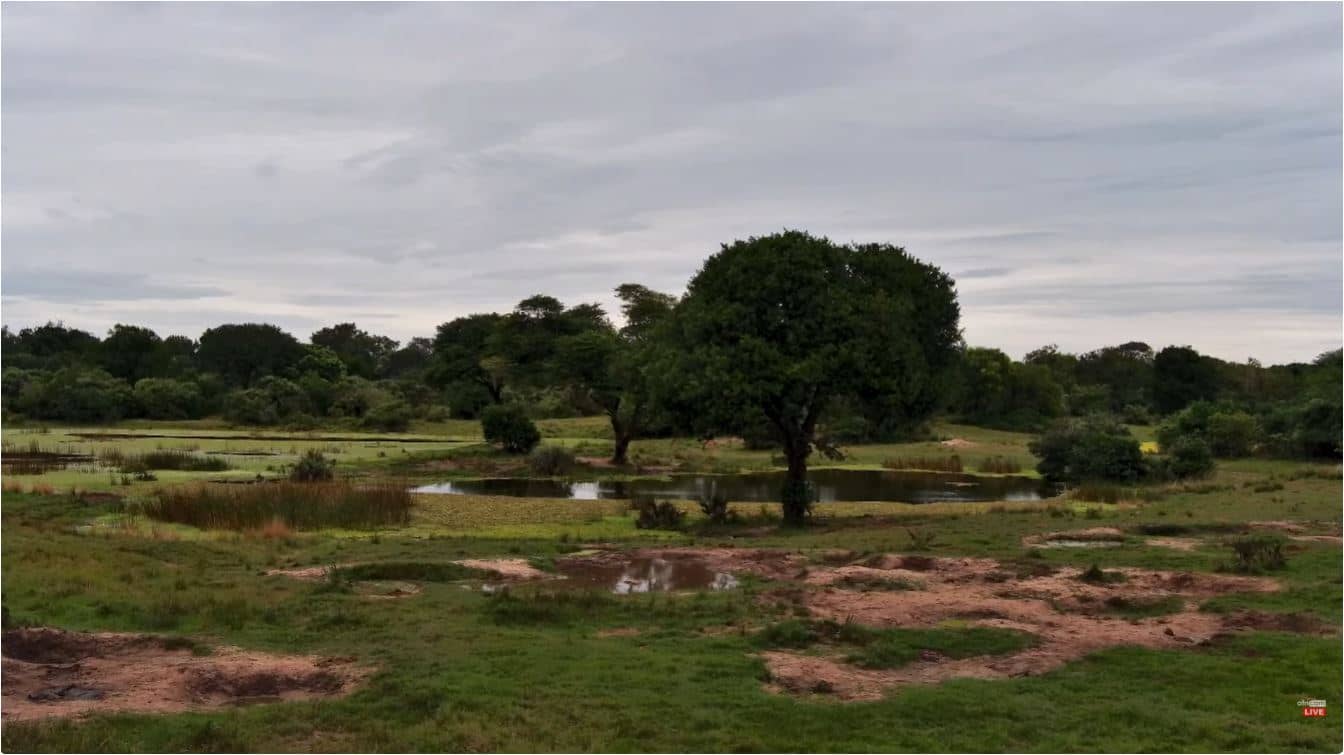
Tembe Elephant Park - Wildlife Live Stream
🇲🇿 KwaZulu-Natal · Mozambique — Altitude 92 m
This live stream follows wildlife in Tembe Elephant Park, a protected reserve on the border between South Africa and Mozambique. It is a way to check on the bush from anywhere, whether you are planning a safari or simply curious about African wildlife at this hour.
Tembe Elephant Park lies in the sandy coastal bush of southern Maputaland, close to the Indian Ocean. The reserve is known for its large elephants, which are among the biggest in the region, and for its mix of sand forest, grassland and pans. The landscape is quiet and green for much of the year, shaped by seasonal rains and the animals that move through it.
The page is titled as a wildlife stream, so you may see elephants, antelope and other bush animals, depending on the view and the time. Early morning and late afternoon are usually the most active periods, when animals move to water and feeding areas in cooler air. Midday is often quieter, as many animals rest in shade. Weather and the season can change what appears.
Maputaland has a warm subtropical climate, with hot, humid summers and mild, drier winters. The wet season from late spring into early autumn brings the heaviest rain and thick vegetation, while the dry months are often better for spotting animals at waterholes. Check the current weather on this page before planning a visit, as conditions can shift quickly in this region.
Source: Africamvideos
Limpopo, South Africa — 263 km

Mpumalanga, South Africa — 346 km
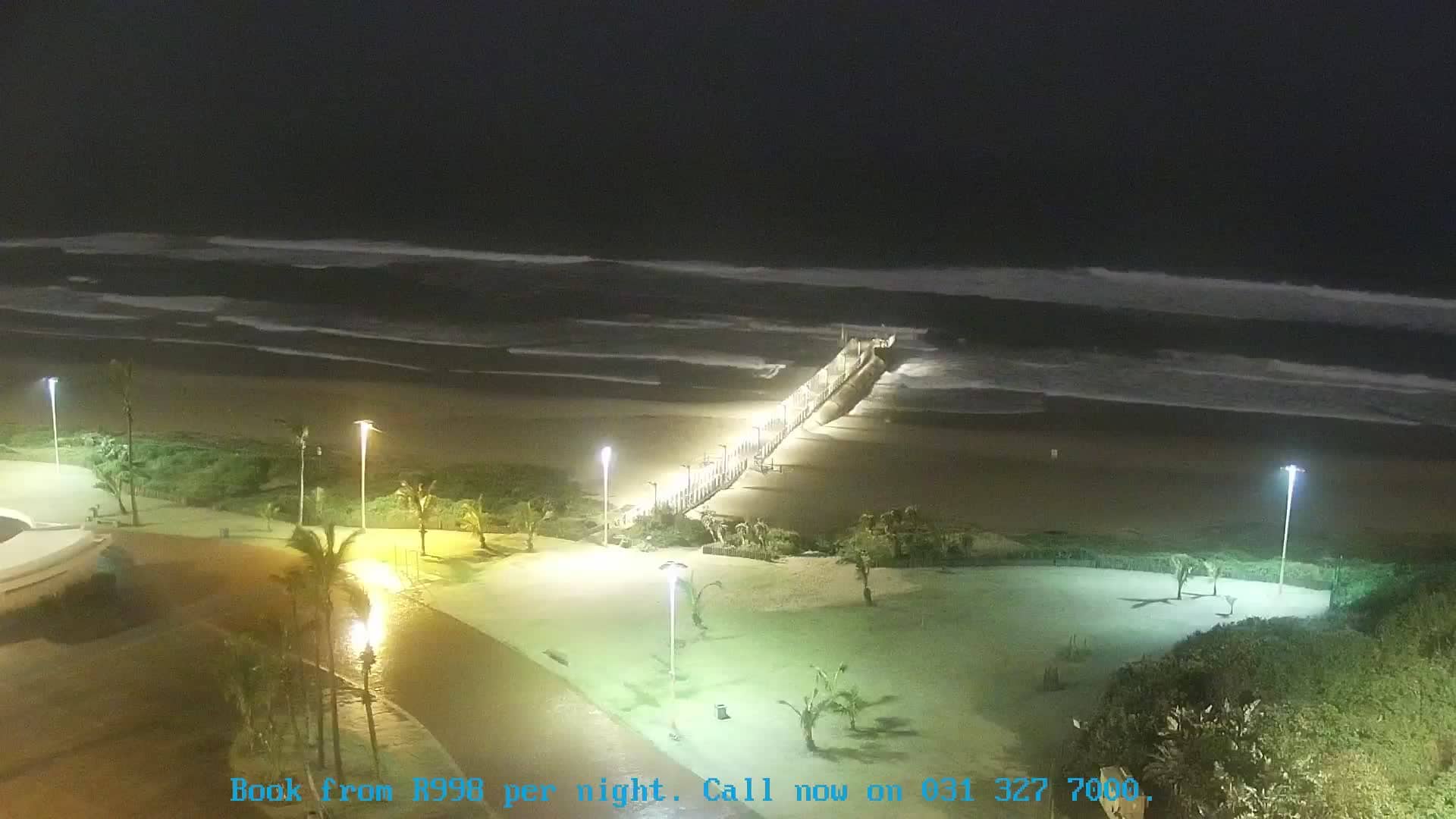
KwaZulu-Natal, South Africa — 365 km
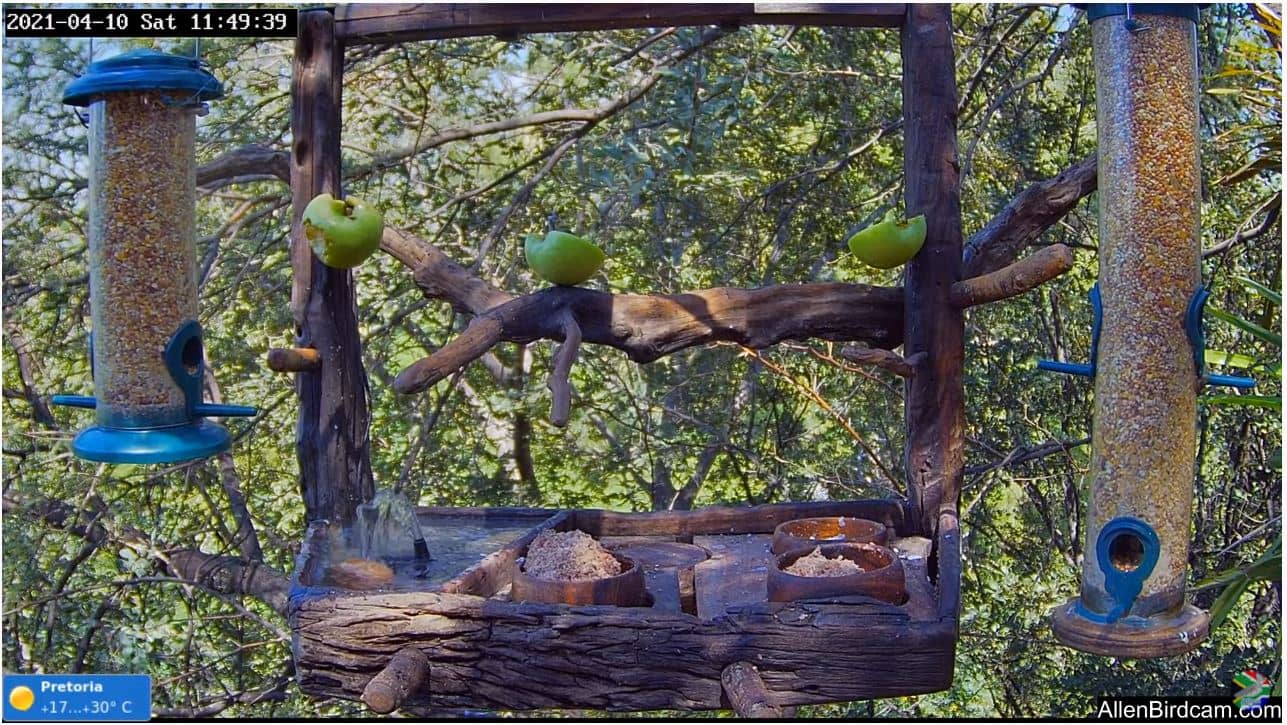
Gauteng, South Africa — 449 km
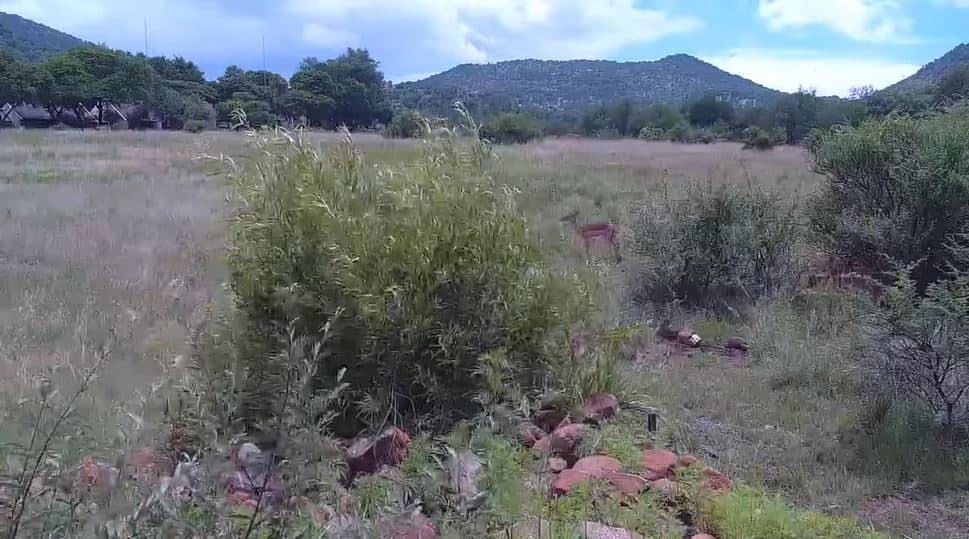
North West, South Africa — 571 km
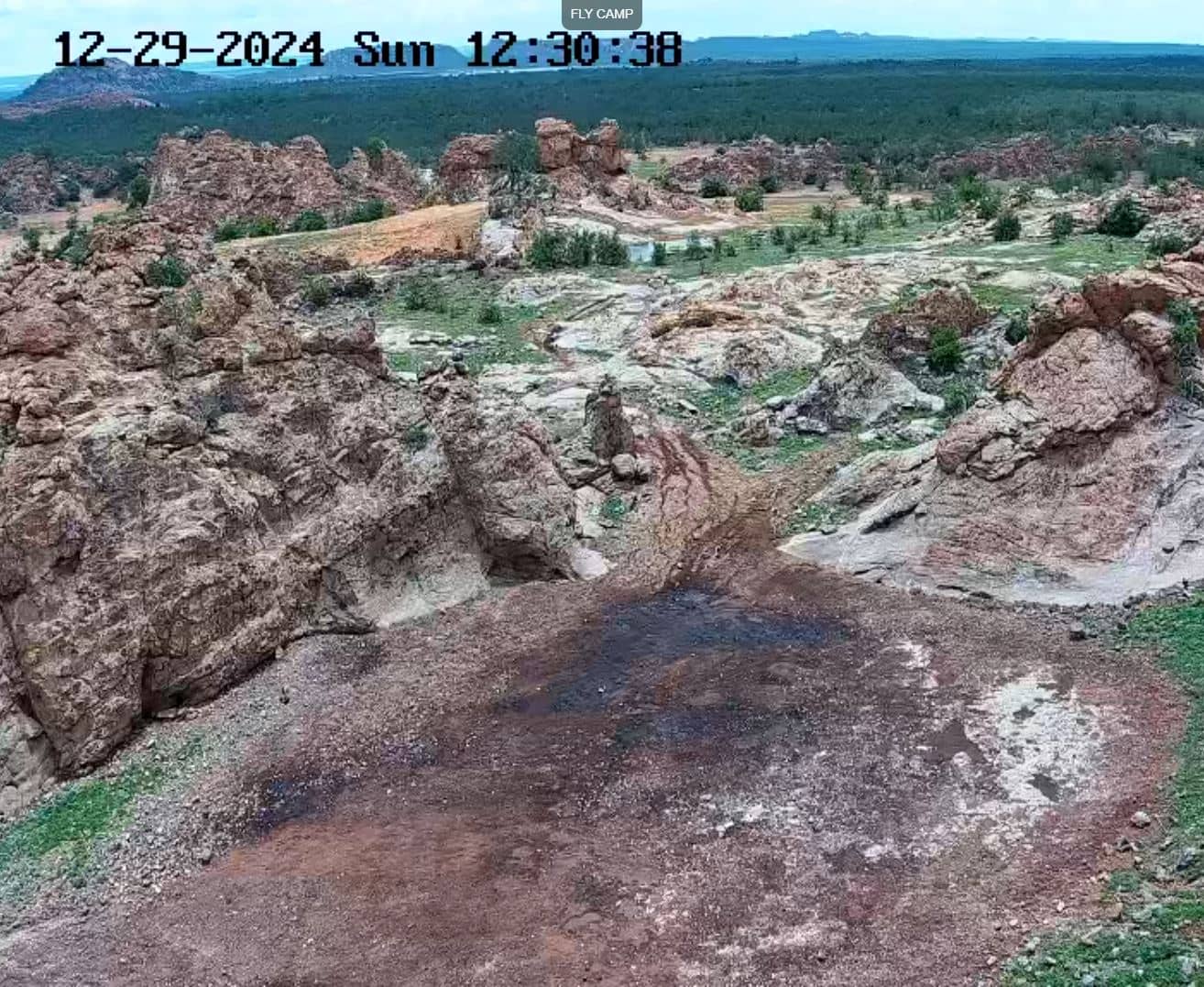
Matabeleland South, Zimbabwe — 588 km
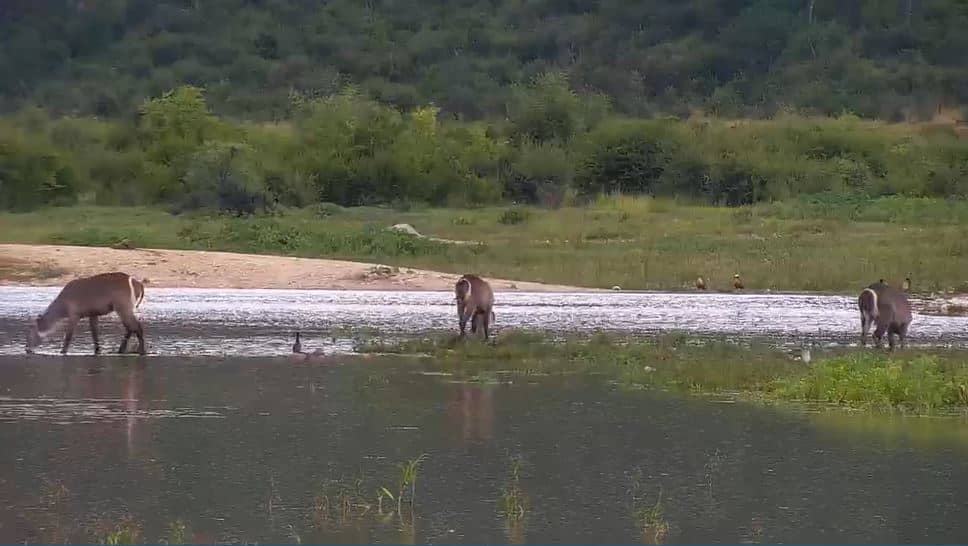
North West, South Africa — 684 km
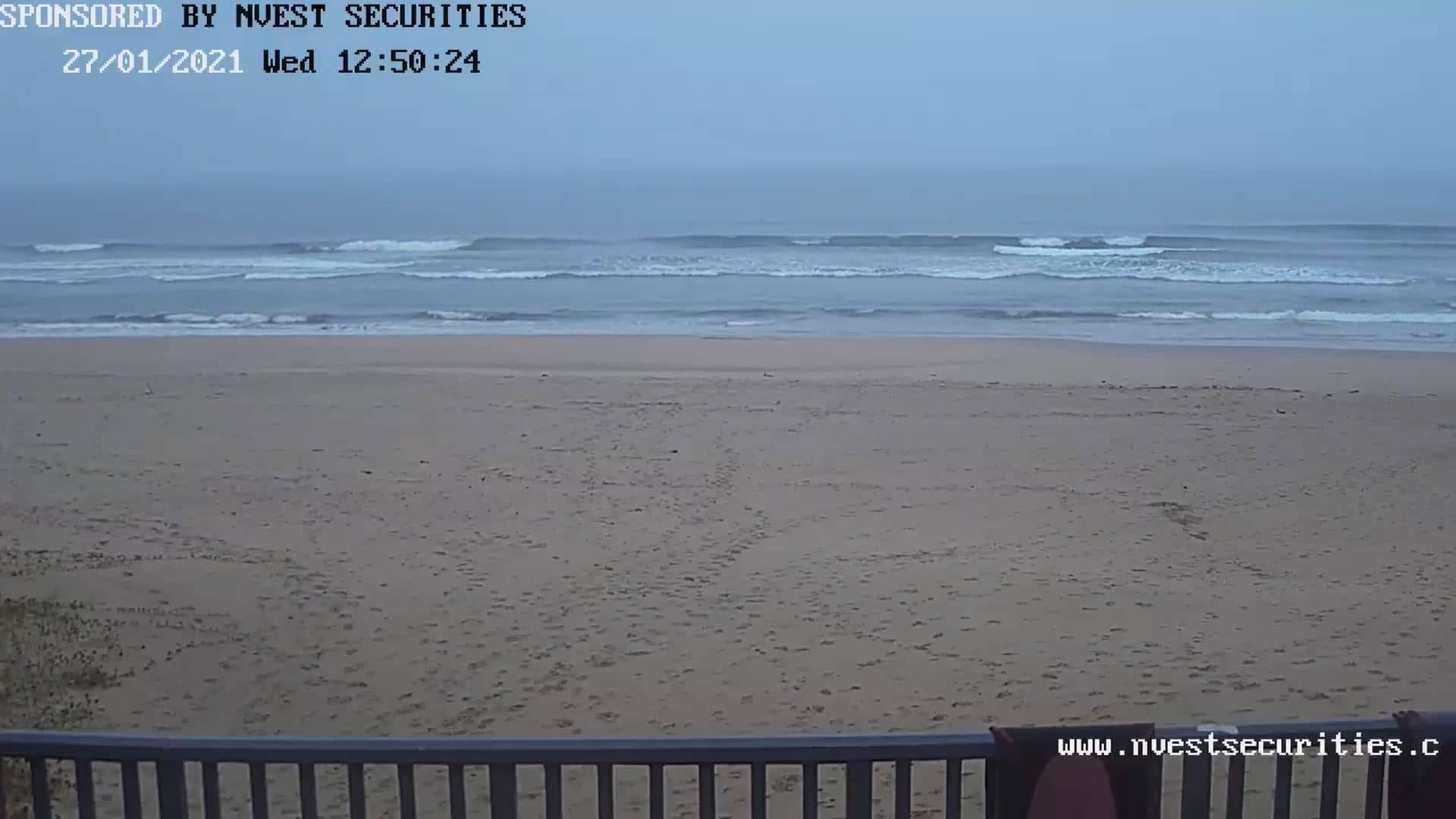
Eastern Cape, South Africa — 819 km
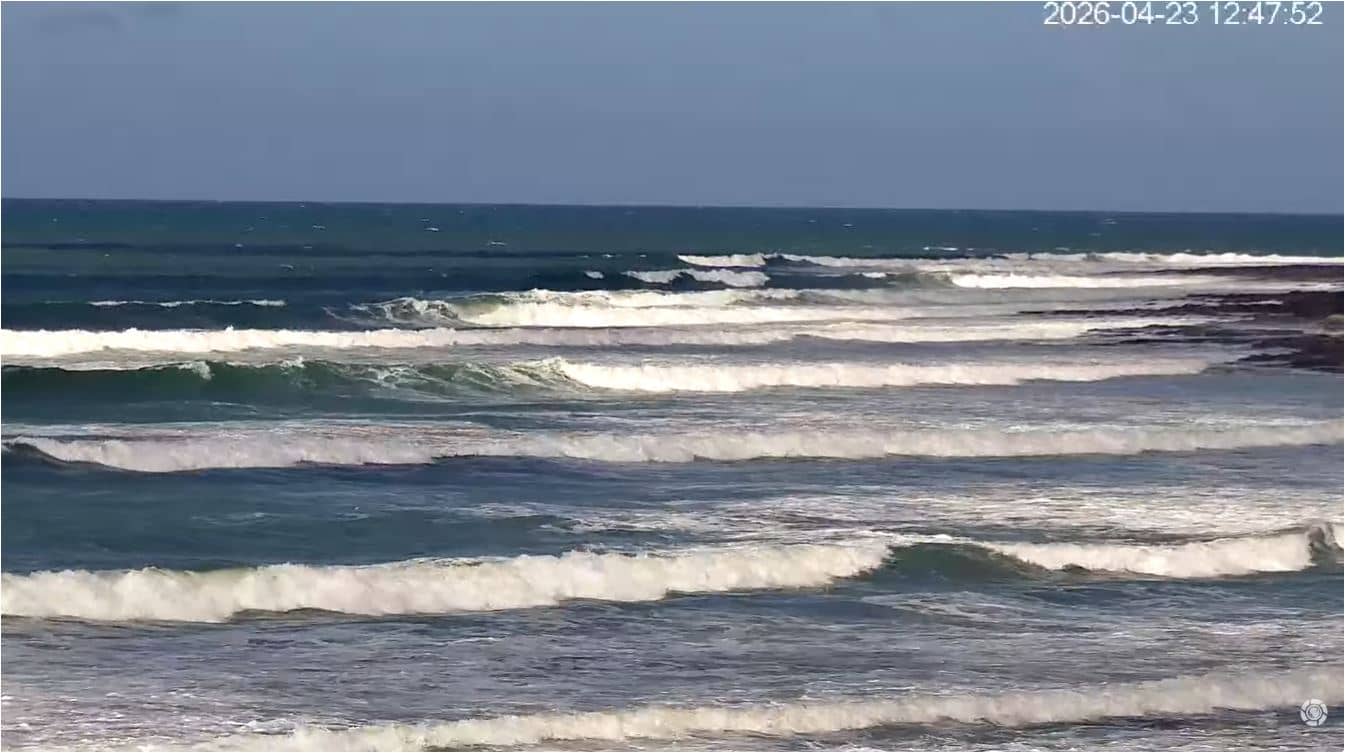
Eastern Cape, South Africa — 1086 km
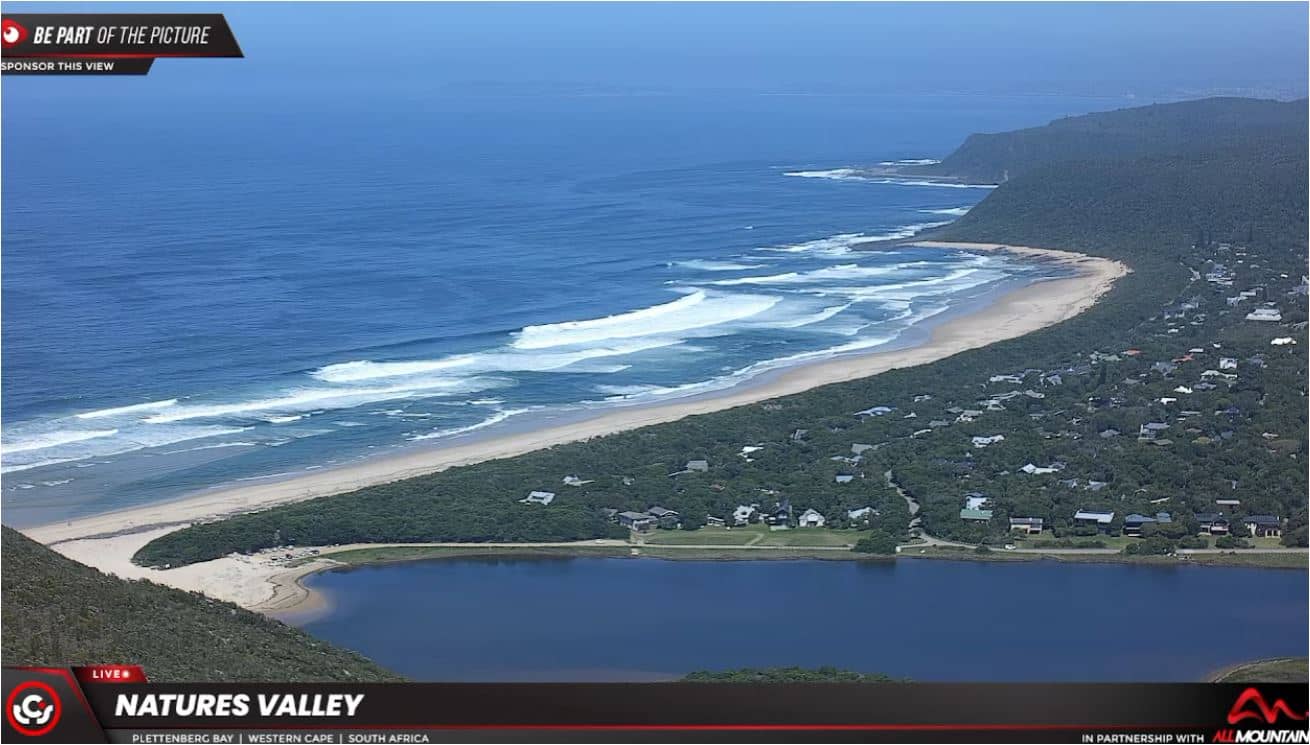
Western Cape, South Africa — 1174 km
The current conditions and a three-day forecast are shown in the live weather block on this page. The reading updates automatically, so you can see whether it is hot, rainy or dry before you watch.
The local time is shown live on this page, based on the reserve's time zone. It helps you judge whether the animals are likely to be active at the moment.
The map on this page marks the reserve's location in northern KwaZulu-Natal and southern Mozambique. The stream is provided by its source, and VizCams links to it.
Early morning and late afternoon tend to be the most active times, when animals visit water and feed. The dry winter months may also offer better views at waterholes.
Partner links: we may earn a commission at no extra cost to you.