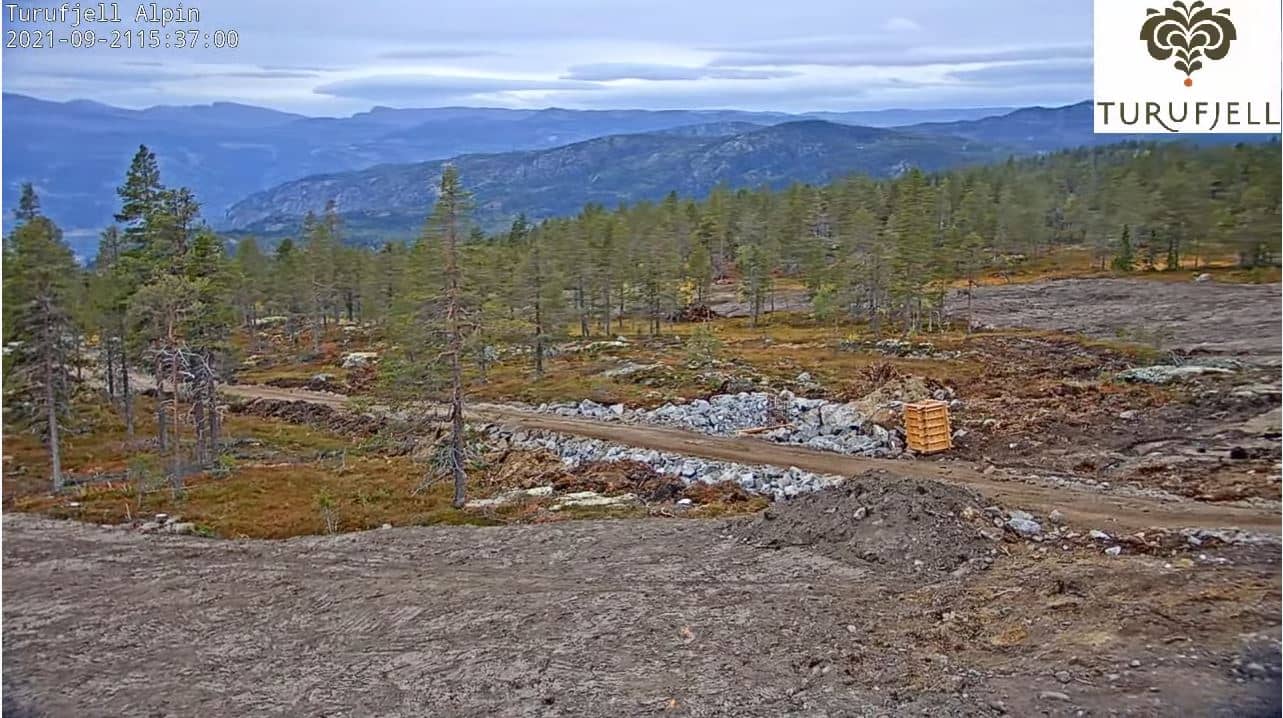
Turufjell
Innlandet, Norway — 2 km
Norefjell - Station de ski, au-dessus du lac Krøderen
🇳🇴 Buskerud · Norway — Altitude 800 m
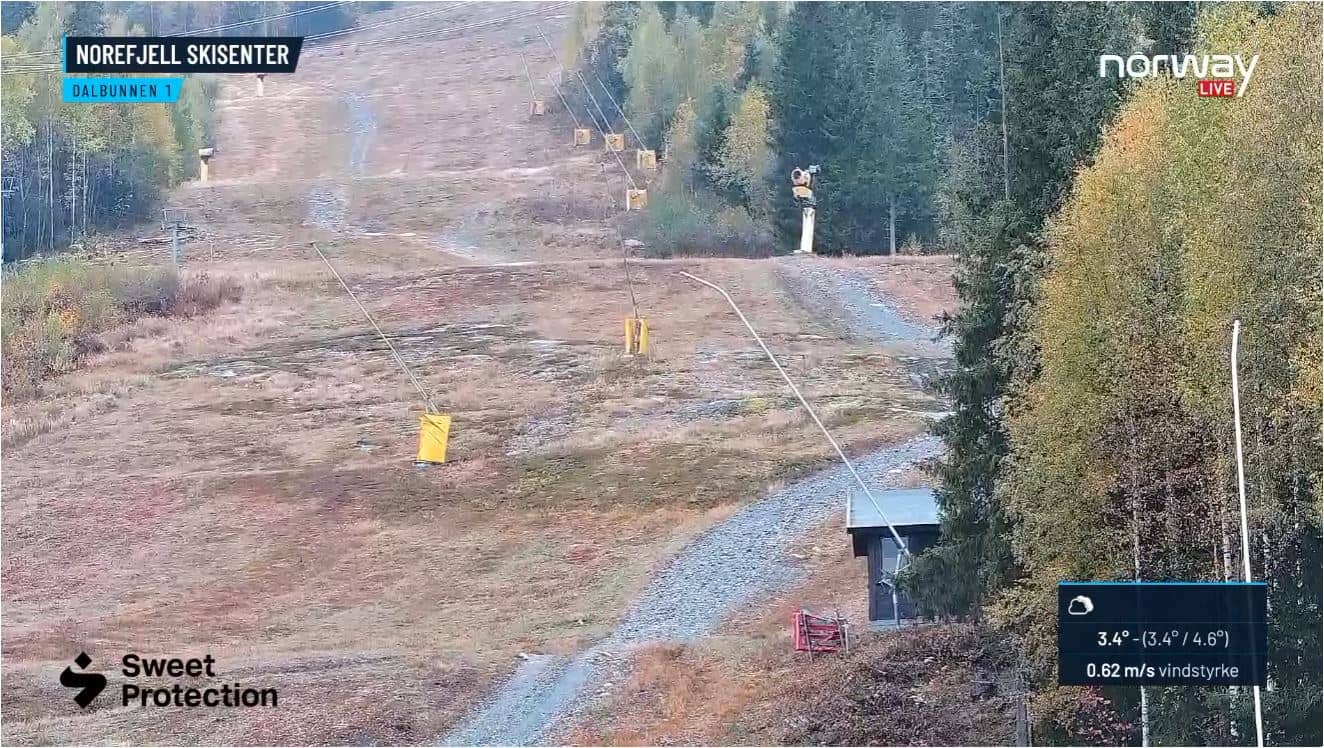
This live camera looks over the Norefjell ski area, perched around 800 metres above sea level in Buskerud. It is a useful way to check snow and visibility before deciding whether to make the drive from Oslo or the surrounding valleys.
Norefjell sits in the hills of southern Norway, rising above the long blue stretch of Lake Krøderen. It is one of the larger ski centres in the region and is most often visited by people from the Oslo area. The landscape is typical of Norwegian highlands, with forest giving way to open slopes and wide views across the valley and water below.
The title names the ski station, so the stream is aimed at the resort and its slopes. Depending on the view, you may see snow cover, lift activity and changing cloud over the ridges. Winter days with clear skies tend to be the most rewarding to watch, while grey, low cloud can hide the lower valley entirely.
Winter is the main season for skiing here, and conditions can change quickly with wind and temperature. Nearby cameras are listed on this page, including Turufjell only a couple of kilometres away, which is useful for comparing conditions across the area. Check the live weather block before setting out, as mountain roads can be slippery in cold months.
Source: Norefjell Skisenter
Innlandet, Norway — 2 km
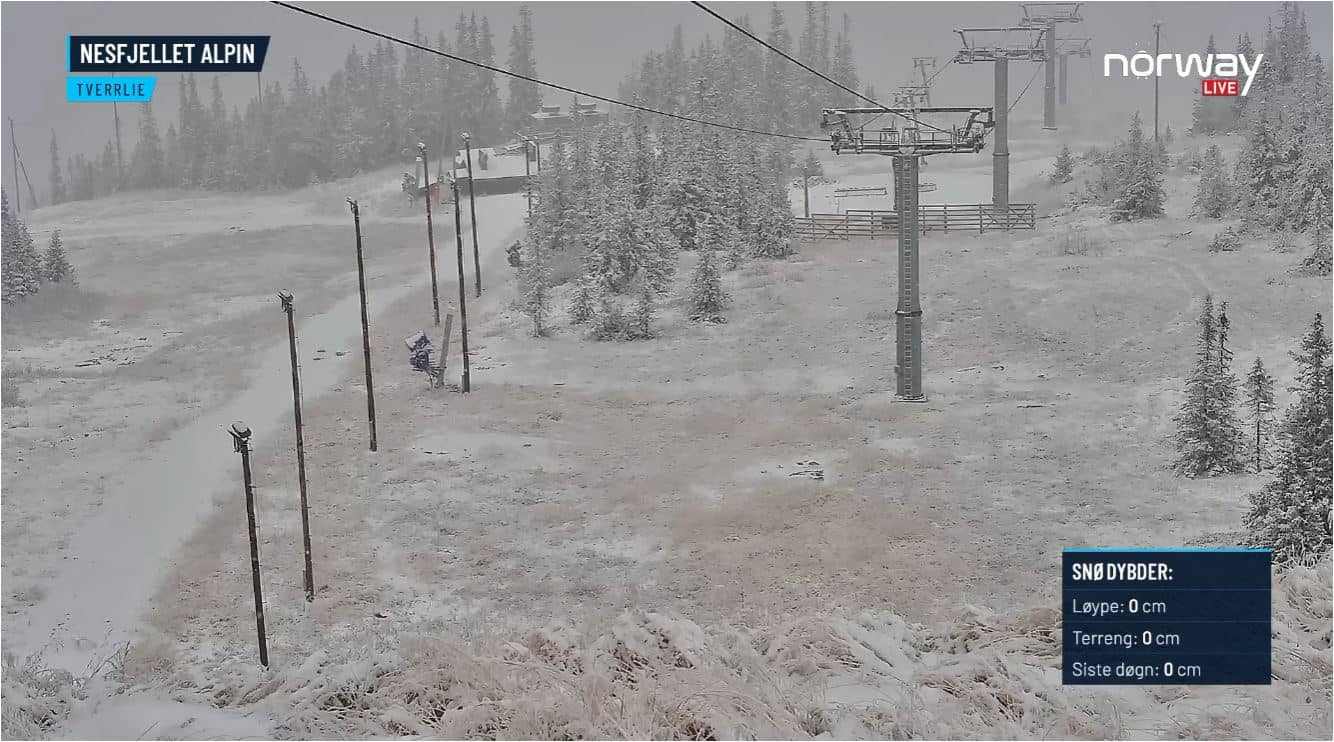
Buskerud, Norway — 46 km
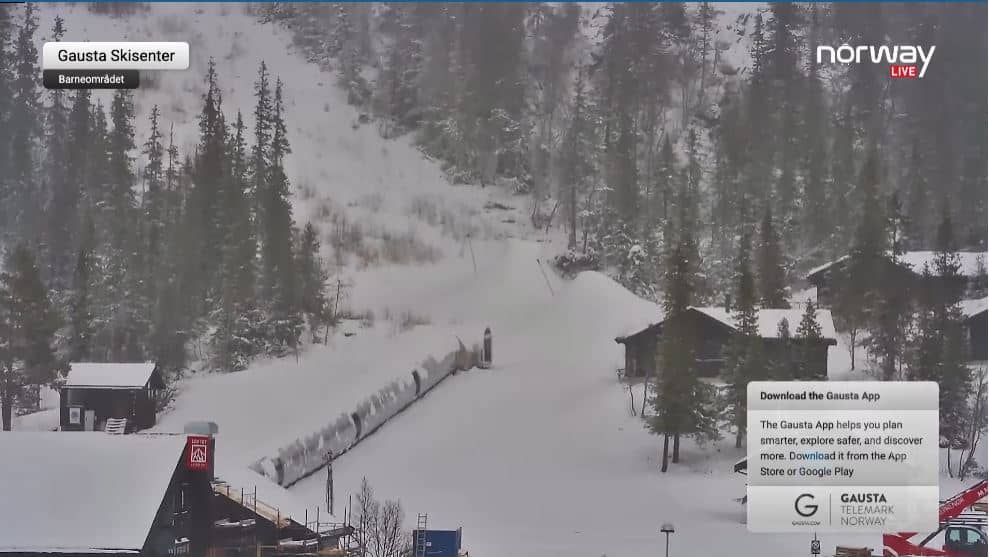
Buskerud, Norway — 59 km
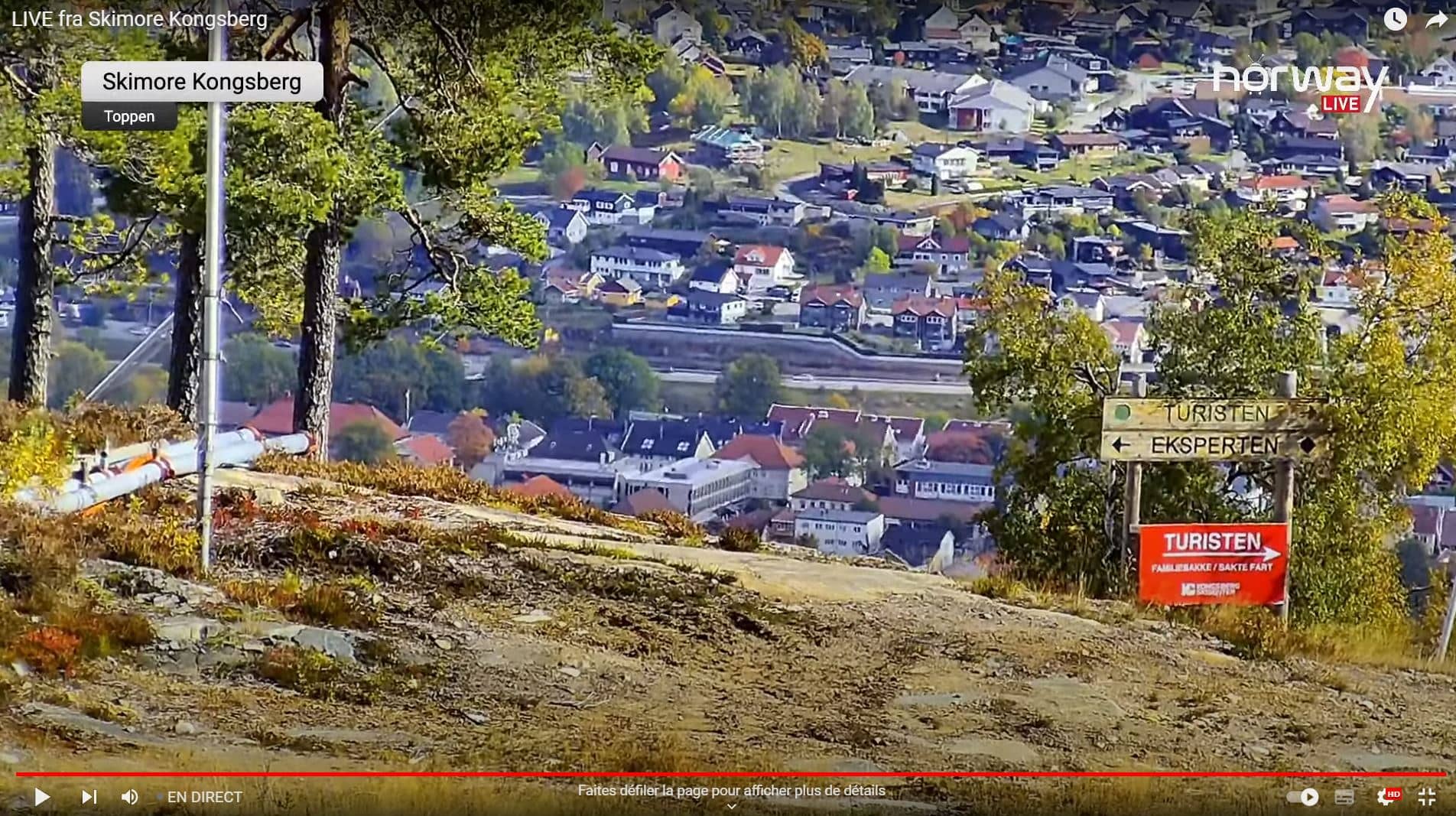
Buskerud, Norway — 62 km
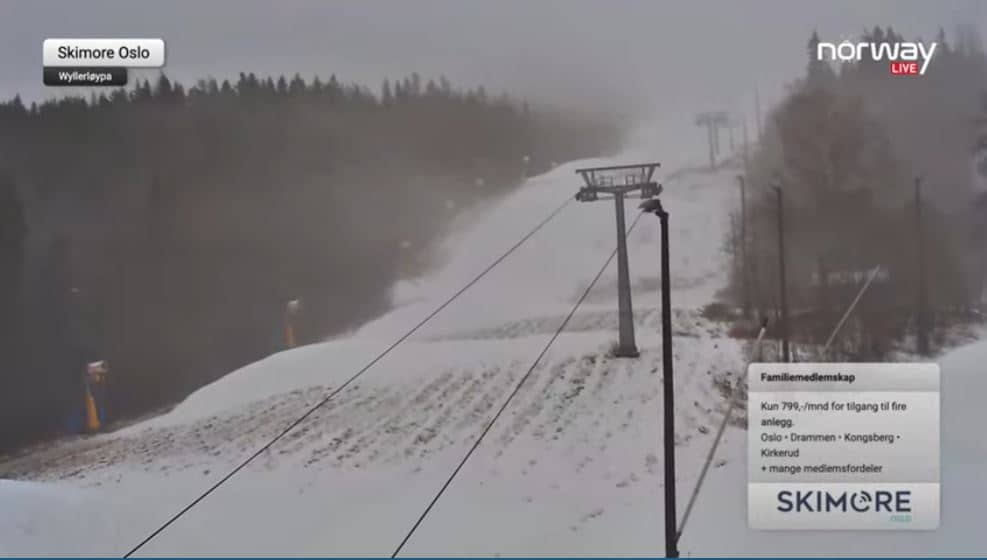
Buskerud, Norway — 63 km

Akershus, Norway — 67 km
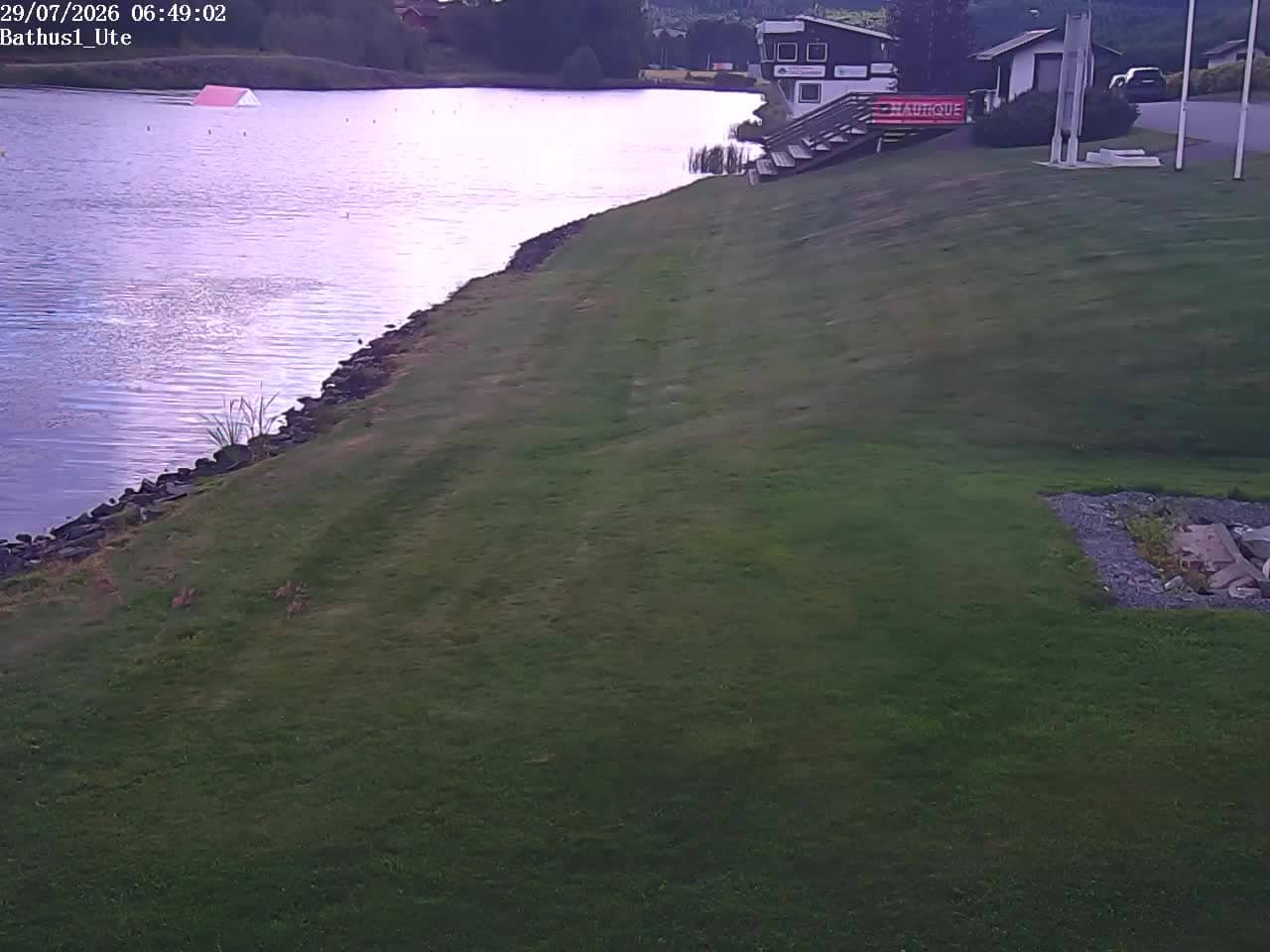
Oslo, Norway — 72 km
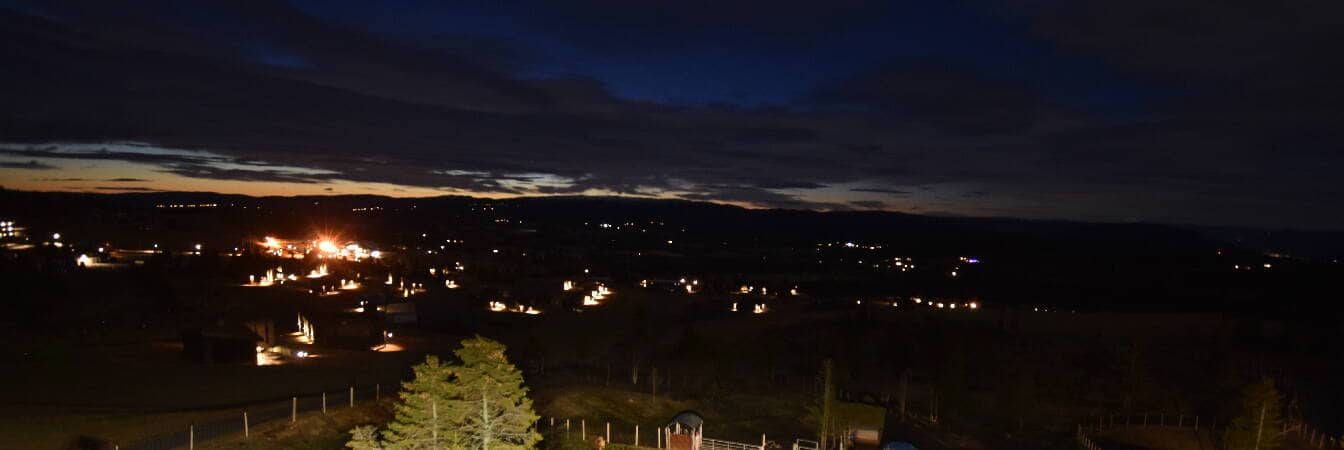
Viken, Norway — 74 km
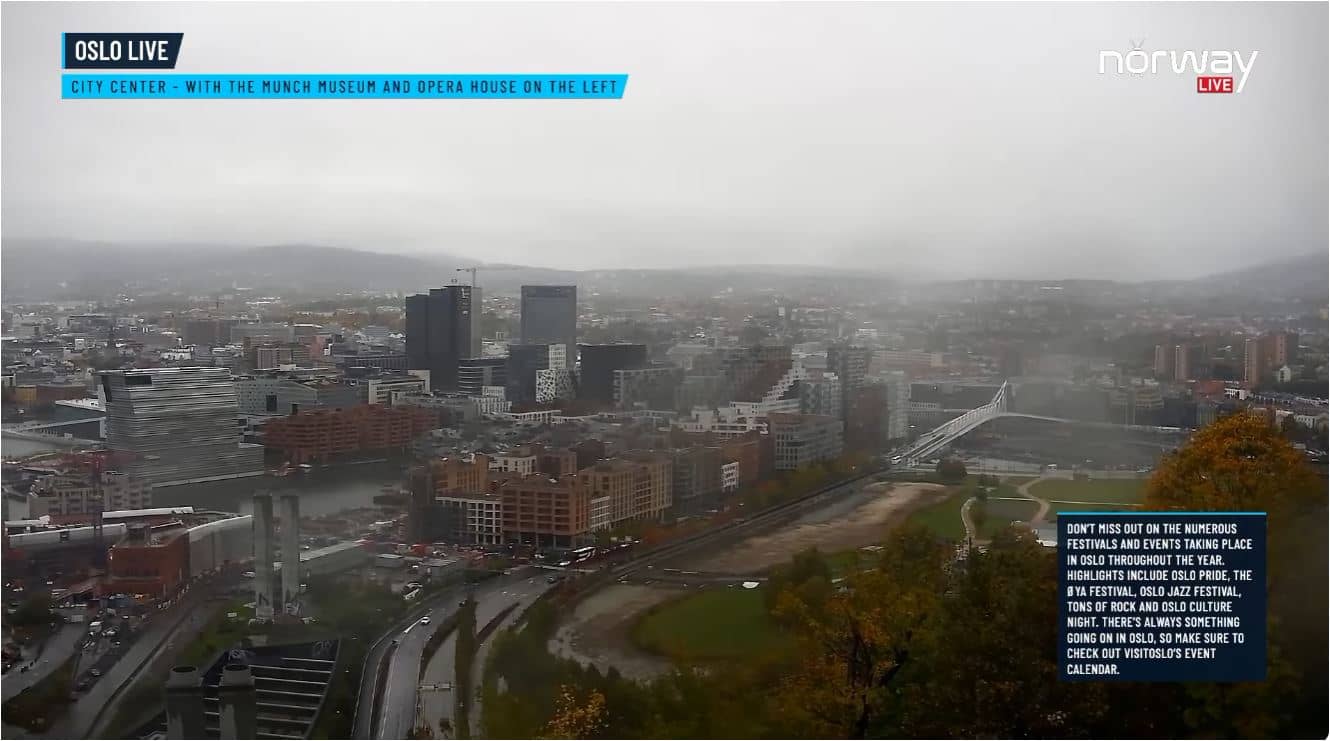
Oslo, Norway — 74 km

Viken, Norway — 74 km
The current weather and a three-day forecast are shown in the live block on this page, updated for the resort's location above Lake Krøderen.
The local time is displayed on the page and follows Norwegian time, so you can see the exact time of day at the resort while you watch.
The camera overlooks the Norefjell ski area in Buskerud county, Norway, at roughly 800 metres altitude, and the map on the page marks its position.
Winter daylight hours are usually the most useful for checking snow and visibility, since the slopes are then in regular use and skies are often clearest on settled days.
Partner links: we may earn a commission at no extra cost to you.